
What’s the most addictive drug? Newly published research indicates that when focusing on persistent drug memory, craving, and addiction, the most addictive illegal drug is cocaine. In contrast, the drugs most likely to cause immediate death are opioids. David Nutt and colleagues ranked drugs by addictiveness, toxicity, and mental impairment, as well as harms to others and economic costs. Considering those combined factors, they found that alcohol was the most harmful legal drug. Among illegal drugs, heroin and cocaine ranked highest for harm to individuals, reflecting strong addictive potential and severe health consequences.
If determination of the most addictive drug is restricted to illegal drugs, heroin has highest addiction liability, with cocaine and methamphetamine close behind. Studies examining first drug experiences reveal that heroin and cocaine produce the highest persistent memory of the drug, drive for next use, and reinforcement scores, meaning initial exposure strongly predicts later drug-seeking and use.
Let’s zero in on cocaine, since I recently highlighted its renewed popularity.
Cocaine: Why So Addictive?
For years, my work focused on the dopamine hypothesis. The dopamine (DA) surge from cocaine is far greater than DA increases from food, sex, or social interactions. The brain interprets cocaine use as extraordinarily valuable, cementing this association and reinforcing the behavior producing it.
But this DA-centric model doesn’t explain why relapses occur months or years after stopping cocaine. If DA levels normalized after detoxification and recovery, how could intense craving persist? Now we know that cocaine changes the brain itself. Repeated cocaine exposure does not simply alter DA; It alters gene expression, neuronal excitability, and neural circuitry in the brain.
One of the most important discoveries in this area came from Eric Nestler, dean of the Mount Sinai School of Medicine, who identified a transcription factor called ΔFosB. Unlike most gene regulators disappearing within hours, ΔFosB persists in neurons for weeks or months. Each exposure to cocaine increases ΔFosB levels, and over time, this protein accumulates significantly, explaining how repeated cocaine exposure produces long-lasting behavioral changes.
However, ΔFosB accumulation isn’t unique to cocaine. Cocaine was simply the first drug in which the mechanism was demonstrated. The phenomenon is now understood as a general molecular adaptation to repeated reward-related stimulation, especially within the nucleus accumbens and dorsal striatum of the brain’s reward circuitry. ΔFosB is considered a shared molecular signature of chronic exposure to many addictive drugs, not cocaine-specific.
ΔFosB acts as a molecular switch, changing the expression of genes involved in brain neuronal structure and function. Experiments demonstrated that increasing ΔFosB in the dopamine-rich nucleus accumbens enhanced cocaine sensitivity and drug-seeking behavior. Conversely, blocking ΔFosB reduced these behaviors.
But even this explanation does not fully explain relapse. For that understanding, scientists needed to examine how cocaine affects memory circuits.
The Brain Circuit Linking Memory and Reward
Addiction is not solely about DA or reward; it’s also about anti-survival learning. The brain learns from rewards. When something beneficial occurs, dopamine neurons signal that the event was valuable, reinforcing the (bad) behaviors producing it. Drugs of abuse, especially cocaine, produce much stronger dopamine signals than natural rewards like eating or sex, so the brain learns that cocaine is extremely important. Environmental cues become linked with the drug, such as places where the drug was used, friends who were there, music, sights and smells, and emotions experienced. When these environmental cues occur later, they trigger dopamine release and drug craving.
Over time, the brain encodes drug-seeking behaviors as highly-prioritized habits. Addiction forms when the brain overlearns the value of the drug and underlearns the value of well, everything else. But addicts cannot remember when they shifted from controlled cocaine use to compulsive use, despite likely adverse consequences. Even overdose and near-death experiences often fail to motivate changes in drug use. Survivors of opioid overdose are also at great risk of dying in the year after overdose.
Over time, cocaine use becomes an automatic behavior. A key circuit involved in this process connects the ventral hippocampus, which processes contextual memory, along with the nucleus accumbens, the brain’s reward center.
In 2026, researchers reported that cocaine profoundly alters the hippocampus–accumbens circuits and repeated cocaine exposure affects neurons projecting from the ventral hippocampus to the nucleus accumbens. The investigators found cocaine induces ΔFosB accumulation in hippocampal memory-related neurons, not just the dopamine reward centers themselves. Importantly, removing ΔFosB from these neurons reduced cocaine reward, preventing relapse-like drug-seeking in experimental models.
ΔFosB is required for circuit changes sustaining addiction. The study also identified a downstream gene controlled by ΔFosB: calreticulin. Calreticulin is a special protein involved in calcium storage and protein folding. Chronic cocaine exposure increases calreticulin expression in the hippocampal neurons projecting to the nucleus accumbens. In other words, cocaine boosts the brain’s memory of the drug, causing cocaine’s effects to be more persistent and harder to erase. Conversely, experimental deletion of calreticulin prevents cocaine-induced neuronal changes and reduces cocaine reward behavior, demonstrating that this is the molecular pathway contributing directly to cocaine addiction.
Understanding Cocaine Addiction
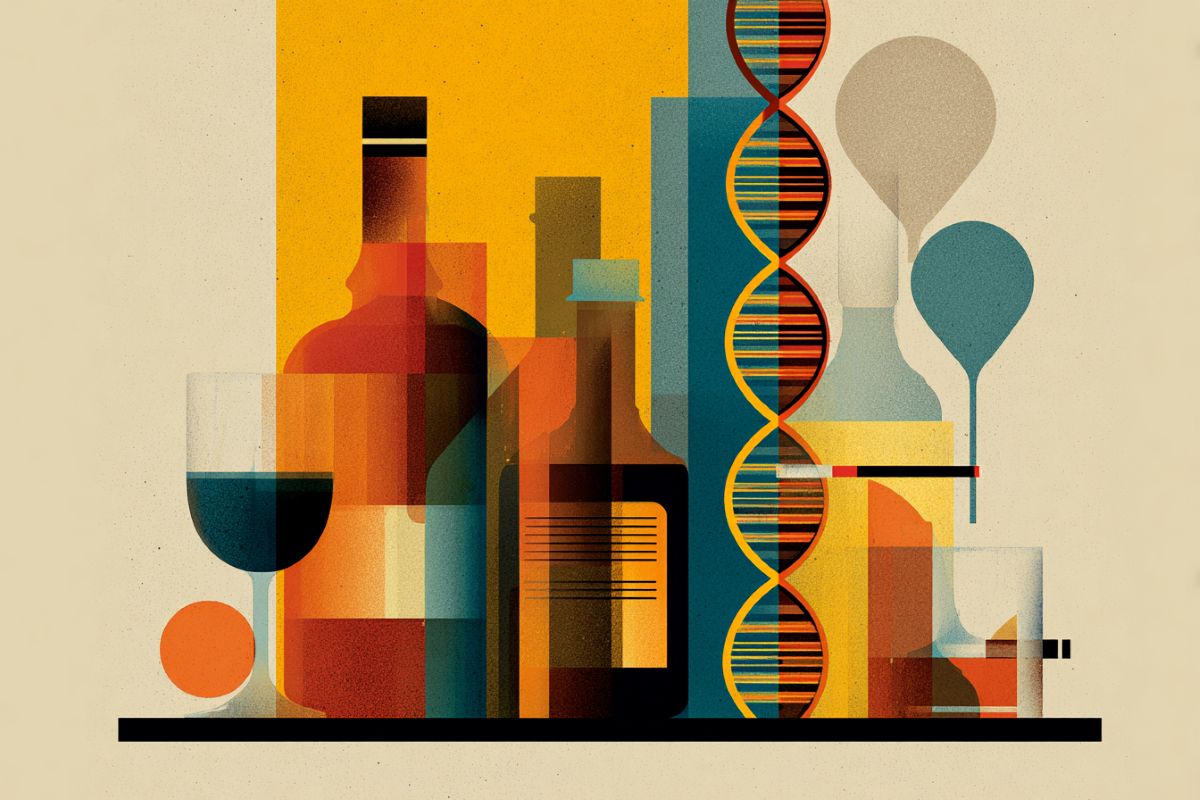
Putting these discoveries together provides a 2026 biological model of cocaine addiction. (See my depiction above.) Cocaine blocks dopamine reuptake, producing a powerful reward signal, when drug experiences become deeply encoded in the brain as persistent reward memories. The brain has learned that cocaine is a biologically important reward. This happens automatically, and cocaine users are unaware of this process. Once learning is embedded at the level of gene expression and circuit architecture, it’s permanent—or at least extraordinarily difficult to reverse.
This evolving understanding reframes addiction. Cocaine use disorder is not simply a failure of willpower; it’s a chronic brain disease driven by pathological neuroplasticity. SUDs are chronic, and relapsing, often triggered by minor cues long after drug use has stopped. While even experts once blamed relapse on a personal “weakness,” parvalbumin-positive inhibitory neurons in the prefrontal cortex control the flow of signals to the reward circuit. In addiction, this “gate” malfunctions, allowing drug-seeking impulses to take over. Addiction relapse is not due to an overall functional decline in the prefrontal cortex, but rather depends on whether PV neurons regulate the neural pathway connecting the PFC to the reward circuit.
Another way to understand why certain drugs are distinctly addictive for some individuals is self-medication or a “lock-and-key” concept of vulnerability. Genetic and neurobiological differences in reward circuitry may create a preexisting vulnerability, making certain drugs unusually reinforcing to some people.
Kenneth Blum and colleagues proposed the Reward Deficiency Syndrome hypothesis, suggesting that some high addiction risk individuals inherit a low baseline level of dopamine signaling, allowing drug use to occur. The drug seemingly and temporarily “corrects” an underlying dopamine deficit, making the experience unusually compelling and increasing the likelihood of repeated use and eventual addiction.
The Future
As of now, there are no FDA-approved treatment medications for cocaine or methamphetamine addictions. However, identifying molecular drivers such as ΔFosB and calreticulin opens the potential for new therapeutic targets and medications that could, in theory, be developed to reverse the brain changes I have described. More people with SUDs might be able to just walk away from drugs rather than have persistent cravingss and relapse.