Emotional factors play a crucial role in both the development and perpetuation of addiction. These psychological elements often serve as primary triggers that drive individuals toward substance use as a coping mechanism for overwhelming feelings, trauma, or mental health struggles.
Understanding the complex relationship between emotions and addictive behaviors is essential for successful recovery. When people experience intense emotions like anxiety, depression, anger, or grief, they may turn to drugs or alcohol to numb these difficult feelings temporarily.
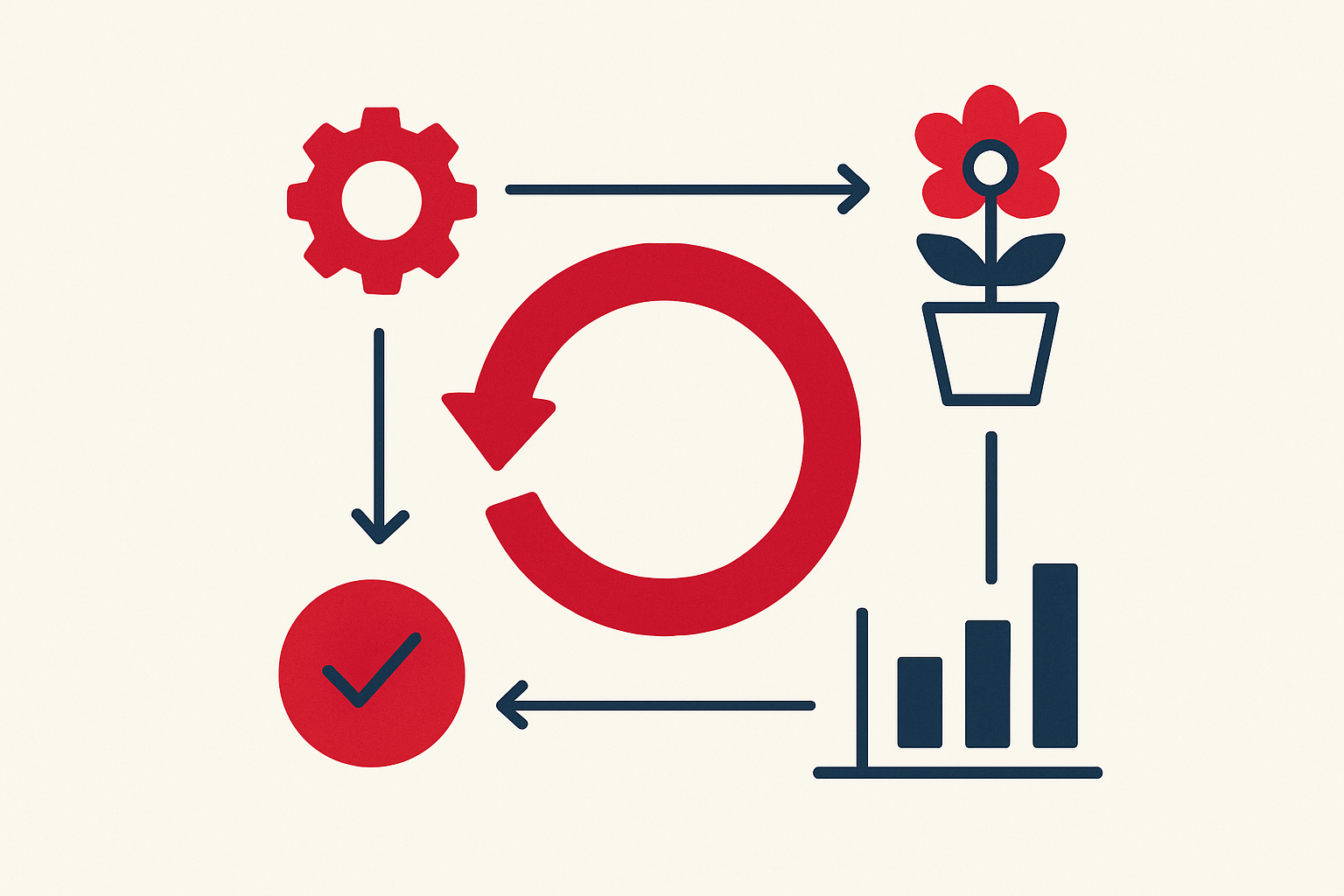
This emotional dependency creates a dangerous cycle where substances become the primary method for managing life's challenges. Breaking free from this pattern requires developing healthier emotional regulation skills and addressing underlying psychological issues that fuel addictive behaviors.
Key Takeaways
- Approximately 50% of individuals with substance use disorders also have co-occurring mental health conditions, according to SAMHSA data
- Emotional dysregulation serves as both a risk factor and consequence of addiction, creating self-perpetuating cycles
- Trauma history affects 75% of people seeking addiction treatment, highlighting the strong emotion-addiction connection
- Developing emotional awareness and coping skills significantly improves long-term recovery outcomes
- Early intervention for emotional issues can prevent progression to substance abuse disorders
Common Emotional Triggers for Addiction
Several emotional factors consistently emerge as primary triggers for substance abuse. anxiety disorders frequently co-occur with addiction, as individuals seek relief from persistent worry, panic attacks, or social fears through drugs or alcohol.
Depression creates another powerful pathway to addiction. The overwhelming sadness, hopelessness, and emptiness characteristic of depression drive many people to self-medicate with substances that temporarily elevate mood or provide emotional numbness.
Trauma and PTSD
Traumatic experiences create lasting emotional wounds that often lead to substance abuse. Whether from childhood abuse, military combat, accidents, or other traumatic events, unprocessed trauma creates emotional pain that feels unbearable without chemical relief.
Post-traumatic stress disorder (PTSD) symptoms like flashbacks, nightmares, and hypervigilance drive many survivors toward substances as a way to escape triggering memories and calm an overactive nervous system.
Stress and Overwhelm
Chronic stress overwhelms the body's natural coping mechanisms, making substances appear as an attractive solution for immediate relief. Work pressure, relationship conflicts, financial problems, and major life changes all contribute to stress-induced substance use.
The temporary escape that drugs or alcohol provide seems to offer relief from mounting pressures, even though this strategy ultimately compounds stress levels and creates additional problems.
How Emotions Fuel the Addiction Cycle
Emotional factors don't just initiate substance use; they actively maintain addictive patterns through powerful psychological mechanisms. When someone uses substances to cope with difficult emotions, they inadvertently prevent themselves from developing healthy emotional regulation skills.
This creates emotional dependence where the person feels incapable of handling challenging feelings without chemical assistance. Over time, tolerance builds, requiring higher doses or stronger substances to achieve the same emotional numbing effect.
The Avoidance Pattern
Substance use becomes an emotional avoidance strategy that prevents individuals from processing and working through difficult feelings. Instead of learning to tolerate and manage uncomfortable emotions, people rely on substances to immediately escape these experiences.
This avoidance pattern weakens emotional resilience over time, making even minor stressors feel overwhelming and driving continued substance use. Breaking this cycle requires gradually building tolerance for difficult emotions without chemical assistance.
Building Emotional Resilience in Recovery
Successful addiction recovery requires developing new emotional coping strategies to replace substance use. This process begins with increasing emotional awareness and learning to identify specific feelings and their triggers.
Mindfulness practices help individuals observe emotions without immediately reacting or reaching for substances. Regular meditation, deep breathing exercises, and body awareness techniques create space between feeling and action, allowing for healthier choices.
Developing Healthy Coping Skills
Recovery involves building a toolkit of healthy emotional regulation strategies. Exercise provides natural mood enhancement and stress relief, while creative activities like art, music, or writing offer emotional expression outlets.
Social connection plays a vital role in emotional health during recovery. Support groups, therapy, and healthy relationships provide validation, understanding, and practical guidance for managing difficult emotions without substances.
Professional Treatment Approaches
Evidence-based therapies specifically address emotional factors in addiction. Cognitive-behavioral therapy (CBT) helps identify and change thought patterns that trigger emotional distress and substance use.
Dialectical behavior therapy (DBT) teaches specific skills for emotional regulation, distress tolerance, and interpersonal effectiveness. These therapeutic approaches provide concrete tools for managing intense emotions without relying on substances.
Frequently Asked Questions
What are the most common emotional triggers for relapse?
The most frequent emotional triggers include loneliness, anger, frustration, anxiety, and depression. Boredom and feeling overwhelmed also commonly lead to relapse, as these emotions were previously managed through substance use.
How long does it take to develop healthy emotional coping skills?
Developing effective emotional regulation skills typically takes 3-6 months of consistent practice, though some people notice improvements within weeks. The timeline varies based on individual factors, trauma history, and commitment to skill-building activities.
Can medication help with emotional factors in addiction recovery?
Yes, medications can address underlying mental health conditions like depression or anxiety that contribute to addiction. However, medication works best when combined with therapy and skill-building approaches rather than as a standalone solution.
What role does family therapy play in addressing emotional triggers?
Family therapy helps identify and change dysfunctional emotional patterns within relationships that may trigger substance use. It also teaches family members how to provide appropriate emotional support during recovery.
Bottom Line
Emotional factors serve as both the foundation and fuel for addictive behaviors, making emotional wellness central to successful recovery. Developing healthy emotional regulation skills, addressing underlying trauma, and building resilience through evidence-based treatments creates lasting freedom from substance dependence.
For comprehensive resources on emotional healing and addiction recovery strategies, fightaddiction.net provides practical guidance and evidence-based approaches to help individuals build the emotional strength needed for long-term sobriety and personal growth.
References
- Substance Abuse and Mental Health Services Administration. (2019). Key substance use and mental health indicators in the United States: Results from the 2019 National Survey on Drug Use and Health.
- Koob, G. F., & Volkow, N. D. (2016). Neurobiology of addiction: a neurocircuitry analysis. The Lancet Psychiatry, 3(8), 760-773.
- Brady, K. T., & Back, S. E. (2012). Childhood trauma, posttraumatic stress disorder, and alcohol dependence. Alcohol Research: Current Reviews, 34(4), 408-413.